

Tempered Glass vs Film Screen Protector: Which One Wins?

Last Updated: November 12, 2026
Quick Summary
Tempered glass wins for most people because it absorbs impact and resists scratches far better than plastic film, which is thinner and cheaper but never shatters. Choose film only when an under-screen fingerprint sensor or a curved edge forces your hand.
- Tempered glass is usually rated 9H on the pencil-hardness scale and cracks instead of scratching.
- Film is typically TPU or PET plastic under 0.2 mm thick with minimal drop protection.
- Replace a cracked tempered glass protector immediately because it has lost structural integrity.
- Fit the protector before the case, since a tight case lip is the most common cause of peeling.
- Our tempered glass range runs from £6.99 to £19.99 for Pixel, Galaxy S and Galaxy Tab devices.
Table of Contents
- Tempered Glass vs Film Screen Protector: The Core Differences
- Scratch Resistance, Drop Protection and Realistic Limits
- Thickness, Clarity and Touch Sensitivity Compared
- Choosing the Best Screen Protector for Your Phone
- Screen Protector for Curved Screen Models: What Actually Fits
- How to Apply a Screen Protector Without Bubbles
- Fitting a Screen Protector With Phone Case Coverage
- Find Your Screen Protector at Metanoia Media
- Frequently Asked Questions
Tempered Glass vs Film Screen Protector: The Core Differences
A tempered glass vs film screen protector decision comes down to one trade-off: tempered glass absorbs impact and resists scratches far better, while plastic film is thinner, cheaper and never shatters. Tempered glass is the industry standard for impact and scratch protection, according to Supcase's protection guide, because its rigid structure spreads force across the surface instead of concentrating it at the point of impact.
Here at Metanoia Media, we sell both types. The short answer: glass for most people, film only when a fingerprint sensor or a curved edge forces your hand.
Tempered glass is rigid, chemically strengthened glass, usually rated 9H on the pencil-hardness scale, that cracks instead of scratching. Film is a thin flexible plastic layer, typically TPU or PET, that absorbs light scuffs but offers little drop protection.
The table below sets out the differences that actually matter when you are buying.
| Feature | Tempered Glass | Film Protector |
|---|---|---|
| Material | Rigid strengthened glass | Flexible plastic (TPU/PET) |
| Scratch resistance | High, 9H rated | Low to moderate |
| Drop protection | Absorbs and spreads force | Minimal |
| Feel | Smooth, glass-like | Slightly rubbery |
| Clarity | Native screen clarity | Good, slightly duller |
| Thickness | Around 0.3-0.5 mm | Under 0.2 mm |
| Fingerprint sensor | Can interfere | Usually compatible |
| Durability | Shatters on hard impact | Wears and yellows |
| Typical price | £6.99-£19.99 | A few pounds |
| Installation | Alignment frame helps | Flexible, forgiving |
Scratch Resistance, Drop Protection and Realistic Limits
Glass wins on scratch resistance, and physics explains why. Tempered glass goes through an ion exchange process that puts the surface under compression, which is what lets it shrug off keys and coins in a pocket, as Rokform's materials explainer sets out. A plastic film cannot match that hardness, so fine surface scratches build up over months.
Drop protection is where the gap widens further. A rigid glass layer absorbs force and spreads impact across the sheet, so a knock that would crack your display cracks the protector instead. NBC News Select's protector review notes that quality tempered glass is more effective at protecting displays than plastic alternatives.
But how do you judge those claims without a laboratory? Most published comparisons rely on two repeatable tests: the pencil-hardness scratch test and the drop test. In a scratch test, pencils of increasing hardness are dragged across the surface at a fixed angle and load; the rating (such as 9H) is the hardest pencil that leaves no visible mark. In a drop test, a weight is dropped onto the protector from a set height, often onto the centre and then the edge, and the protector is inspected for cracking. These tests are useful for ranking materials against each other, but they have limits. Pencil hardness does not replicate the sharp, concentrated force of a key edge or a grain of sand under pressure, and a drop test on a bare protector ignores the phone's own chassis, case and screen design. A protector that survives a lab drop may still fail on a real corner strike.
The distinction that matters most is between protector breakage and phone-screen damage. When tempered glass cracks, it has done its job: the energy that would have reached the display was spent breaking the glass instead. That is why you replace a cracked protector immediately, a broken sheet has lost its structural integrity and offers little further protection. Film never shatters, but it also never absorbs a real drop; it will scuff and stretch while the impact passes straight through to the display. Neither type guarantees a crack-free screen. A direct corner strike on concrete can defeat both, and the phone's own bezel, frame and case often do more to determine the outcome than the protector itself.
Here is the limit nobody mentions. Tempered glass is not indestructible. A hard enough impact shatters it, and you replace it immediately to keep protection intact, as Dodo Case's comparison points out. Film never shatters, but it also never absorbs a real drop. Neither type saves a phone from a direct corner strike on concrete. Treat the protector as a sacrificial layer, not a guarantee, and pair it with a case if drops are your main concern.
Thickness, Clarity and Touch Sensitivity Compared
Tempered glass feels closer to your original display. Its smooth, low-friction surface gives the same glide as the bare screen, and it keeps native clarity, which is why so many people fit it and forget it is there.
Plastic film is thinner and lighter, offering a more subtle look, according to Hama's product guidance, but that thinness comes with a slightly rubbery drag under the finger. Touch sensitivity stays fine on both. The real difference is feel: glass responds like glass, film responds like film.
Fingerprints and smudges are the other daily annoyance. Tempered glass listings often note an oleophobic coating that pushes oil away, so a quick wipe clears the screen.
Choosing the Best Screen Protector for Your Phone
Tempered glass is generally the stronger choice for scratch and impact protection. Our own range starts at £6.99.
Here is how we would decide:
- Heavy drops and pockets full of keys: tempered glass, every time.
- Under-screen fingerprint reader: check the listing first. Some glass protectors block the sensor.
- Curved edges: a glass protector cut for your exact model, or UV glue glass.
- Tight budget: film is fine, but accept the protection ceiling.
For a closer look at model-specific options, our roundup of the 7 best screen protectors for Samsung Galaxy phones covers the popular handsets in detail.
Screen Protector for Curved Screen Models: What Actually Fits
A screen protector for curved screen models needs to follow the curve or it will lift at the edges. Flat glass sheets leave a halo of air along the sides, which collects dust and peels within weeks.
Two approaches work. A 2.5D protector with rounded edges is designed to follow a curved edge, such as our Samsung Galaxy Screen Protector Tempered Glass 2.5D at £6.99. For a full edge-to-edge fit, our Samsung Galaxy S Series UV Glue Screen Protector at £19.99 is a UV glue option.
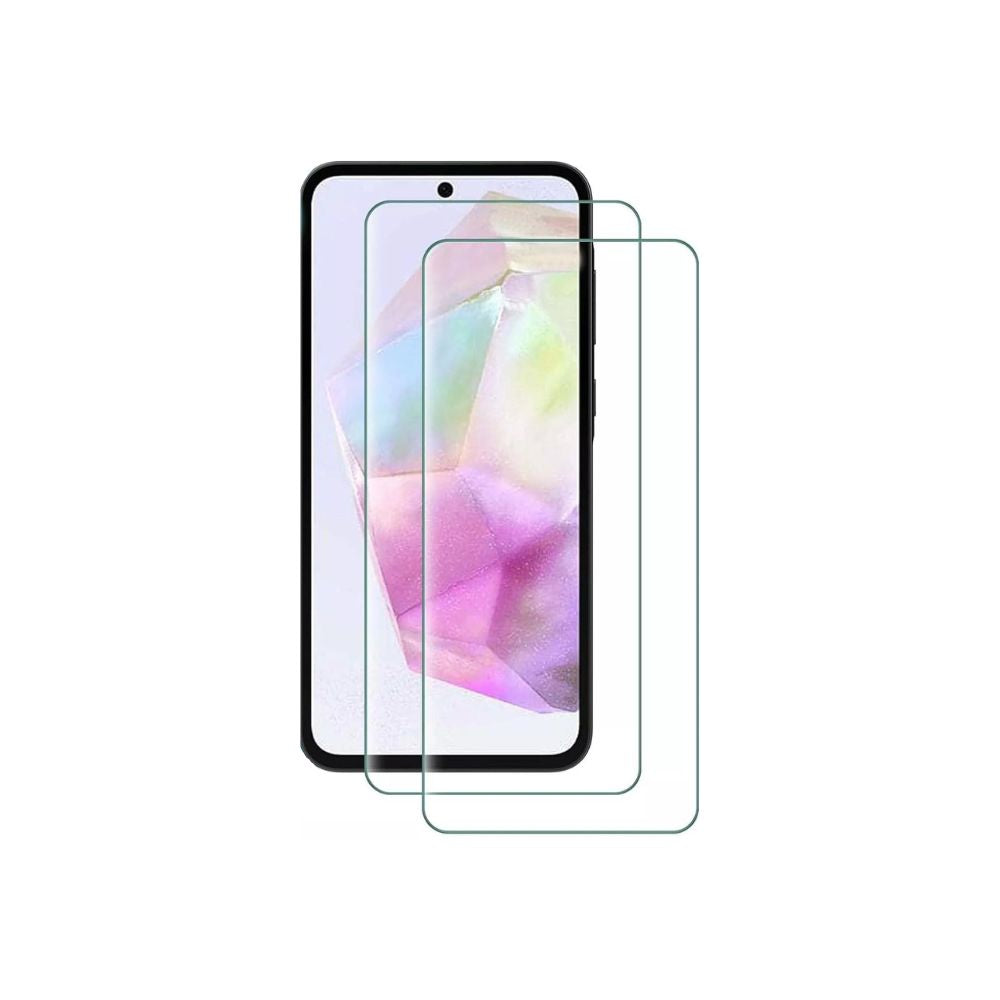
Watch out: UV glue needs a careful seal around the ports and buttons before you start, because stray adhesive is far harder to remove than a bubble. If you are fitting a curved protector yourself, a curved screen pry opening tool helps you lift and reseat the sheet without cracking it.
Curved screens also interact with other phone features. If your phone has an in-display fingerprint reader, check the product listing for compatibility before buying, since some glass protectors do not work with the sensor.
Cases add another variable. A case with a raised front lip can push a curved protector up at the corners, and a case that grips too tightly over the sides can cause the same peeling you get from a flat sheet on a curved edge. Fit the protector first, then the case, and check the edges after a day of use. If the case lifts an edge, the case is the problem, not the glass. For model-specific caveats, our roundup of the 7 best screen protectors for Samsung Galaxy phones covers the popular handsets in detail.
How to Apply a Screen Protector Without Bubbles
Applying a screen protector without bubbles takes three things: a dust-free surface, correct alignment on the first attempt, and patience with the edges. Most bubbles come from trapped dust, not bad adhesive.
- Wash your hands and work at a clean, well-lit desk away from pets and draughts.
- Power the phone off and wipe the screen with the supplied cloth, then the alcohol wipe.
- Press a dust removal sticker across the screen to lift any remaining grit.
- Seat the protector in its alignment frame and lower it slowly from one end.
- Press from the centre outwards to push air ahead of the adhesive.
- Work small edge bubbles out with the squeegee, towards the nearest edge.
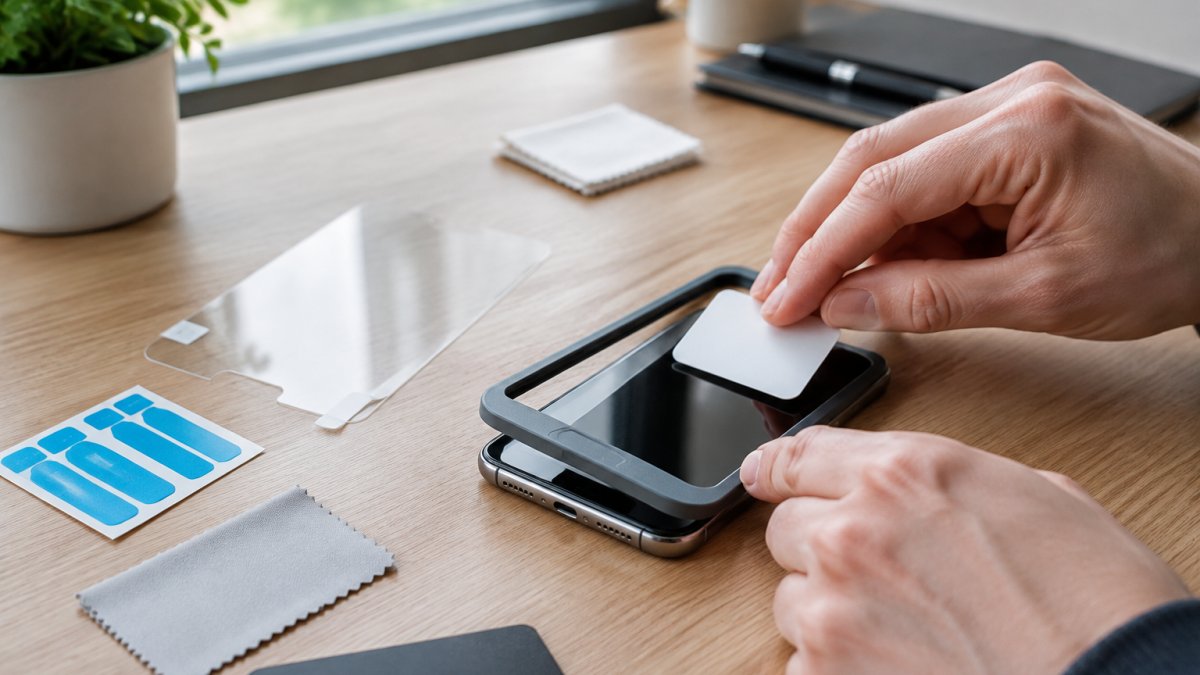
If a bubble will not move, lift the nearest corner just enough to release it and lay the glass back down. Forcing it only stretches the adhesive.
Fitting a Screen Protector With Phone Case Coverage
A screen protector with phone case coverage only works if the two agree on where the edges sit. Cases that grip far over the front lip will push a glass protector up at the corners, and that is the most common cause of peeling we see.
Our tempered glass listings describe a case-friendly fit. If you want maximum coverage, pair it with a case that includes lens film, such as our frameless metal corner pad case with lens film or the iPhone 14 Pro Max plated lens film case. For full front and edge coverage that will not fight the protector, the Samsung Galaxy S23 Ultra full coverage ring case is the safer shape.
Fit the protector first, then the case. If the case lifts an edge, the case is the problem, not the glass.
Find Your Screen Protector at Metanoia Media
Tempered glass wins this comparison for most people, and it is not close.
We stock tempered glass for Pixel, Galaxy S and Galaxy Tab devices, from £6.99 to £19.99. If you want the strongest everyday protection for your phone, start with our Google Pixel Screen Protector Tempered Glass or the Samsung Galaxy S Series 10D protector at £9.99.
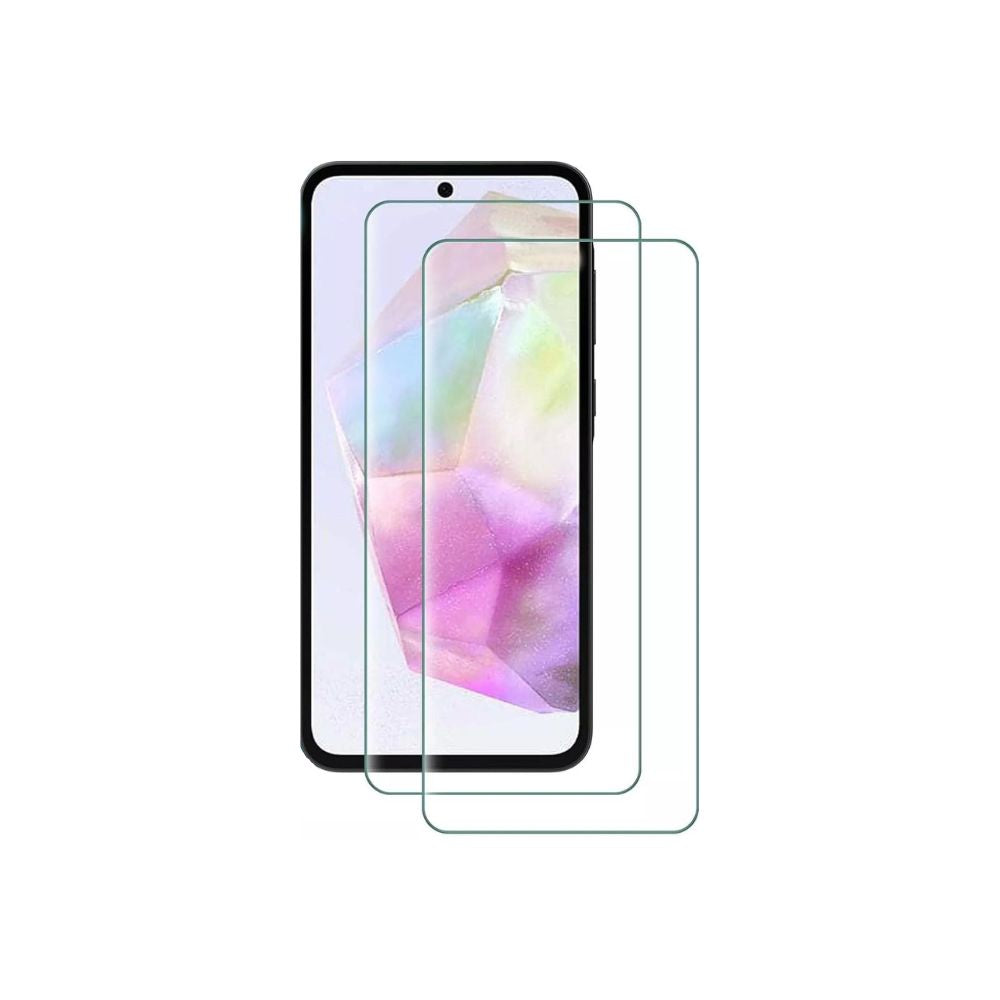
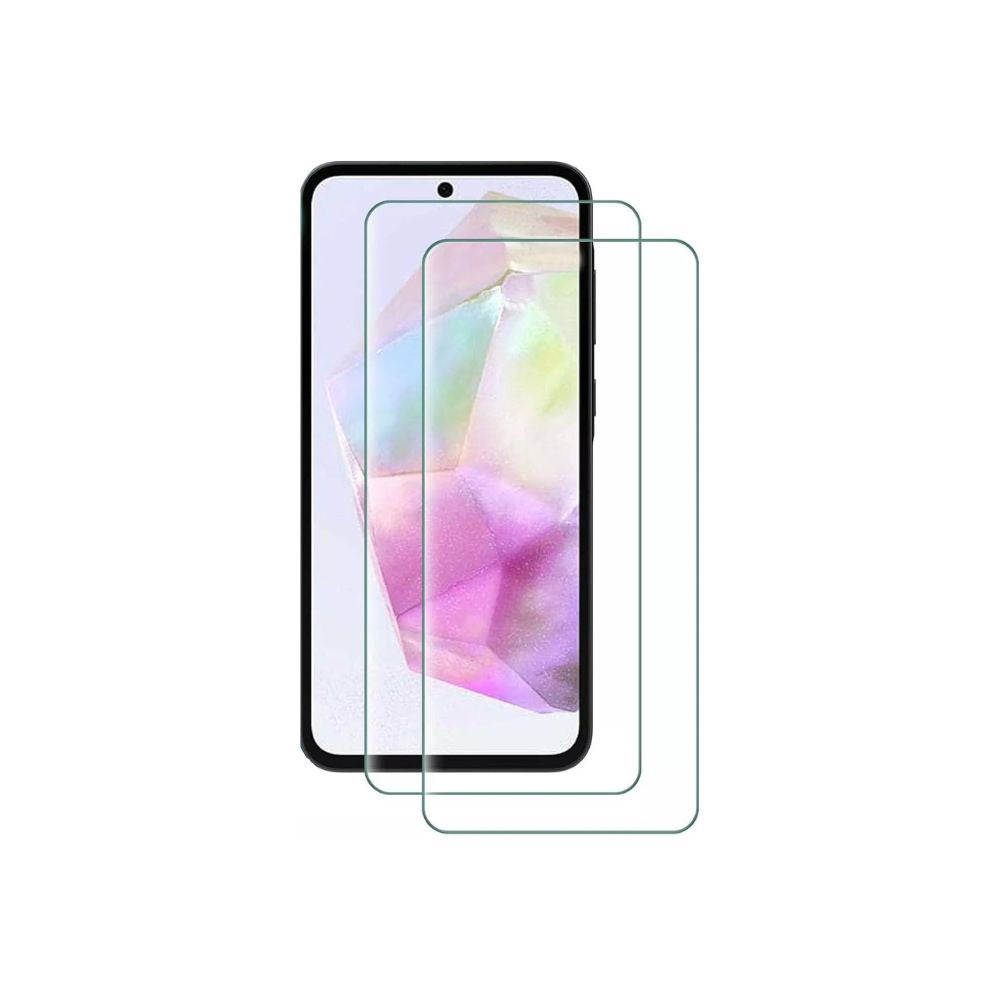
Your screen is the most expensive part of your phone to replace, and a few pounds of glass is cheap insurance. Browse the Metanoia Media screen protector range and protect your display with 9H tempered glass, anti-smudge coatings and case-friendly fits that install cleanly the first time.
Frequently Asked Questions
Is tempered glass better than a film screen protector?
For most people, yes. Tempered glass offers strong impact and scratch protection because its rigid structure spreads force across the surface and absorbs knocks that would otherwise reach the display. It also keeps the smooth, low-friction glide of the original screen. Film is thinner and lighter, and it suits users who want a subtle finish or a protector that will not shatter. If drop protection and screen feel matter most, tempered glass is the stronger pick.
Which screen protector protects better against drops?
Tempered glass handles drops better. Its rigid structure absorbs and spreads impact force, and when it takes a hard hit it usually cracks instead of your display. Plastic film is flexible, so it cushions light knocks but cannot disperse a serious impact. Expect to replace cracked glass after a heavy drop. Film does not shatter, but it also will not save a display from a corner impact.
Can you use a tempered glass screen protector with a phone case?
Yes, provided the protector is case-friendly. Most quality tempered glass is cut to leave a small margin so a case can wrap the edges without lifting the glass. Check the listing before buying: the Metanoia Media Google Pixel Screen Protector Tempered Glass, for example, is described as case-friendly with edge-to-edge coverage that will not lift or peel at the corners. Avoid full-bleed protectors on curved models if you use a tight-fitting case.
How do you apply a screen protector without bubbles?
Work in a clean room and wipe the display before fitting the protector.
