

Are Any Phone Cases Truly Waterproof? A Buyer's Review

Last Updated: November 11, 2026
Quick Summary
Some waterproof phone case models are rated for submersion, but the label alone does not say much. A reliable case states its immersion depth in metres and how long it was tested, since IP68 by itself gives no depth or time. Check the seal regularly, because a case can leak after repeated opening and closing.
- IP68 does not specify a depth or duration; manufacturers must state those conditions.
- The RedPepper 2nd Generation Diving case is listed to 15 metres.
- Test a case at home with a dry tissue inside and record each result over time.
- Clean the gasket and check for grit before every closure to prevent leaks.
- Choose a fitted case for long wet use and a pouch for shallow, occasional exposure.
Table of Contents
- What "Truly Waterproof" Means for a Phone Case
- Reading IP68 and Depth Ratings on Phone Cases
- How to Test a Phone Case Before You Rely On It
- Waterproof Phone Pouch or Fitted Case: Which Suits You
- Metanoia Media Waterproof Phone Cases Compared
- Touchscreen, Camera and Sound Through a Waterproof Case
- Choosing Your Waterproof Case and Next Steps
- Frequently Asked Questions
What "Truly Waterproof" Means for a Phone Case
Are there any truly waterproof phone cases? Some are rated to survive submersion, but labels often tell only part of the story. A case marketed as waterproof may keep out splashes and rain, yet still fail under pressure or after a few hours in a pool. Here is what the label should mean, and where it usually stops.
The practical test is whether a case keeps water away from the phone's ports, speaker grilles and seams at the depth and duration you plan to use. Water entering through a worn gasket or an improperly closed latch is the most common failure, and it rarely shows up on the packaging.
Watch out: a case that feels sealed on the shop shelf may leak after repeated opening and closing, so check the seal before every trip.
Reading IP68 and Depth Ratings on Phone Cases
IP68 is the rating you will see most often, and it is worth understanding before you buy. The first digit, 6, indicates protection against dust ingress, meaning the enclosure is dust-tight. The second digit, 8, indicates protection against continuous immersion in water. The critical point is that IP68 is not a single fixed standard. The rating itself does not state a depth or a time. Manufacturers must specify those conditions, and a case labelled IP68 with no further detail tells you very little about how it will perform in practice.
That is why depth and duration matter more than the letters. A reliable listing will state the immersion depth in metres and the length of time the case was tested for, such as 15 metres for a stated period. Be cautious of any product that quotes IP68 alone, or that gives a depth without a duration, because a seal that holds for ten minutes at shallow depth is not the same as one that holds for an hour under pressure.
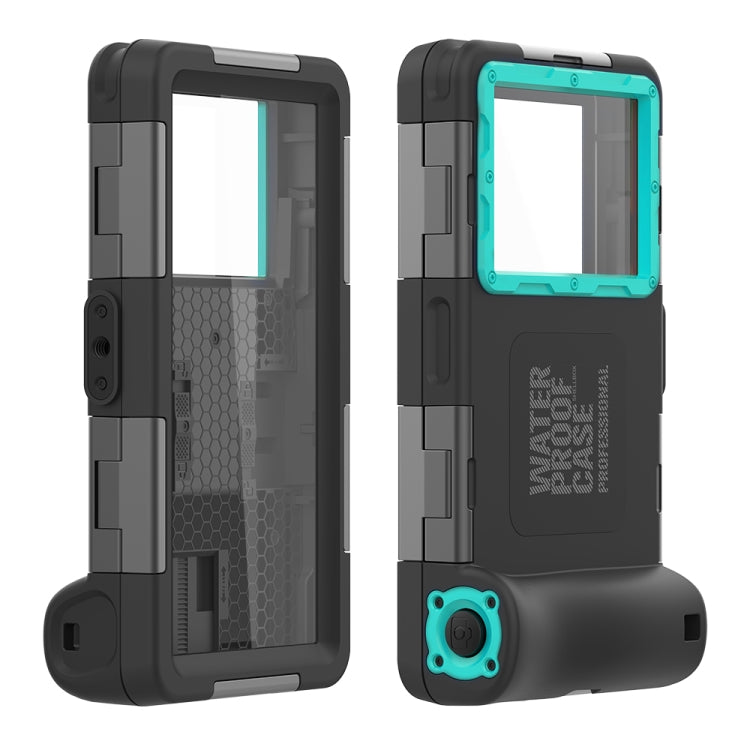
The RedPepper 2nd Generation Diving Waterproof Protective Case is listed to 15 metres. That figure is useful, but it describes the manufacturer's test conditions, not a guarantee for every swim. Pressure increases with depth, so a case rated for a given depth is designed for that pressure only, and repeated use can reduce how well its seals perform. Treat the stated depth as the upper limit of a specific test, not an everyday allowance.
When you compare cases, use this checklist to judge the rating:
- Does the listing state a depth in metres?
- Does it state how long the case was immersed?
- Does it say whether the test was carried out on a new case or after repeated use?
- Does it describe the closure design, such as a double seal or a screw-down flap?
If any of these are missing, the rating is a starting point for your own judgement rather than a complete specification.
Watch out: a rating tested on a brand-new case may not reflect a case that has been opened and closed many times, so check the seal regularly.
How to Test a Phone Case Before You Rely On It
Most reviews of waterproof phone cases rely on a single swim or a product claim. A more useful approach is to run a controlled home test that you can repeat over time, so you can see whether the case is holding its seal or slowly failing. A home test will not replicate a certified laboratory result, but it will catch the most common faults, which are usually closure errors and worn gaskets rather than sudden catastrophic failure.
Start with a fully dry case and phone-free setup. Close the case exactly as you would for use, checking that every latch, flap and screw is seated. Place a dry tissue or a sheet of absorbent paper inside the case, against the port and speaker openings where water is most likely to enter. Submerge the case in a sink or basin for two minutes at a shallow depth, then remove it, dry the outside, and open it in a dry room. Check the tissue for any dampness, even a small patch.
Record each test with the date, the depth you used, the duration, and the result. This record matters because a case rarely fails all at once. A seal that passes today may show a faint dampness after several months of opening and closing, and the only way to spot that decline is to compare results over time. Repeat the test after two weeks of normal use, and again after any drop, sand exposure or unusual handling.
Before each test, inspect the seal itself. Look for grit, hair or dried residue along the gasket, which can prevent a tight closure. Check the gasket for cracks, flattening or stiffness. Wipe it clean with a dry cloth and reseat it before closing the case. Many leaks come from a single trapped particle rather than a faulty design.
Watch out: do not run the test with a phone inside, because a leak can damage the device before you notice it, and do not treat a passing home test as proof that the case will hold at greater depth or for longer periods.
Waterproof Phone Pouch or Fitted Case: Which Suits You
A fitted case gives the most consistent protection because it wraps the phone on every side. A pouch is more flexible, suits a range of devices and can be used for floating in shallow water, but it relies more heavily on a single closure. If you use your phone mainly for photos on a boat or at the beach, a pouch may be enough. If you are swimming or working in wet conditions for long periods, choose a fitted case with a double-seal design.
Metanoia Media Waterproof Phone Cases Compared
Our range covers several waterproof and rugged options. The table below summarises the key differences.
| Product | Compatible Model | Starting Price | Best For |
|---|---|---|---|
| RedPepper 2nd Generation Diving Case | Phone models per listing | £34.99 | Diving and snorkelling to 15 m |
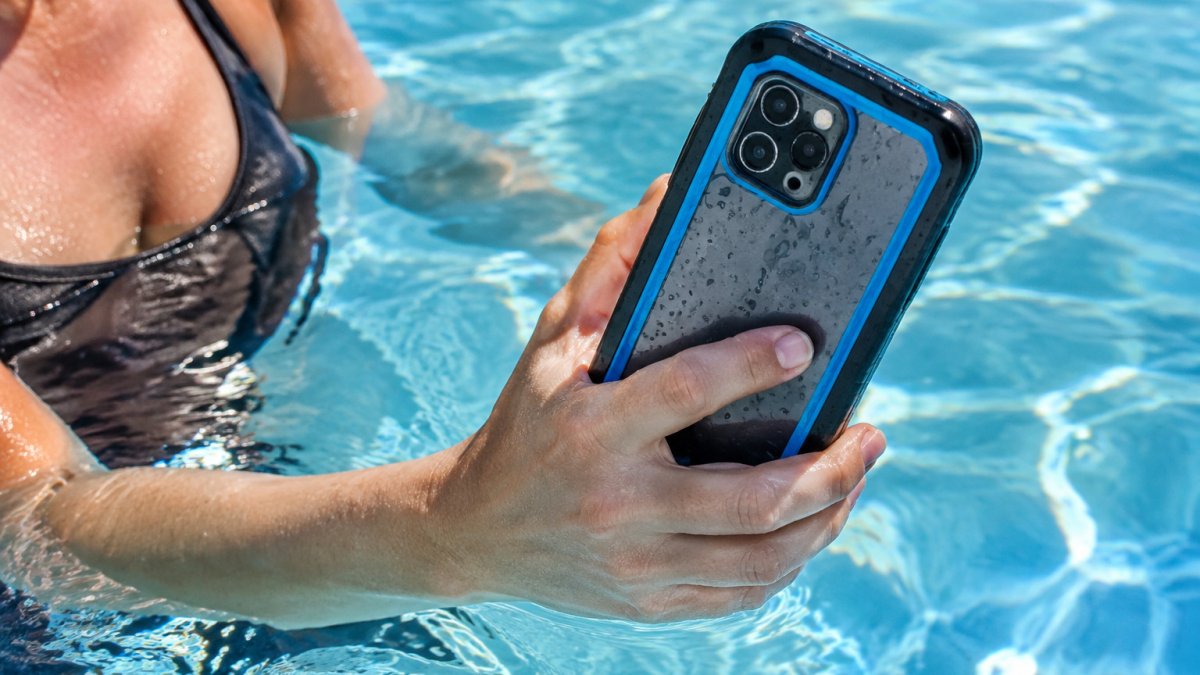
| RedPepper 360 Full Body Rugged Case | Galaxy S23 series | £15.99 | Full-body drop and dust protection |
| Waterproof, Snowproof and Shockproof Case | iPhone XS Max | £13.99 | Snow, dust and splash protection |
| LOVE MEI Metal Shockproof Case | iPhone 11 series | £20.99 | Metal protection with easy port access |
| LOVE MEI Metal Shockproof Case | Galaxy S22 Ultra | £28.99 | Scratch and shock protection |
The RedPepper diving case is listed to 15 metres. The 360 Full Body case is compatible with Galaxy S23 models, and its listing describes water resistance against splashes and sand.
Touchscreen, Camera and Sound Through a Waterproof Case
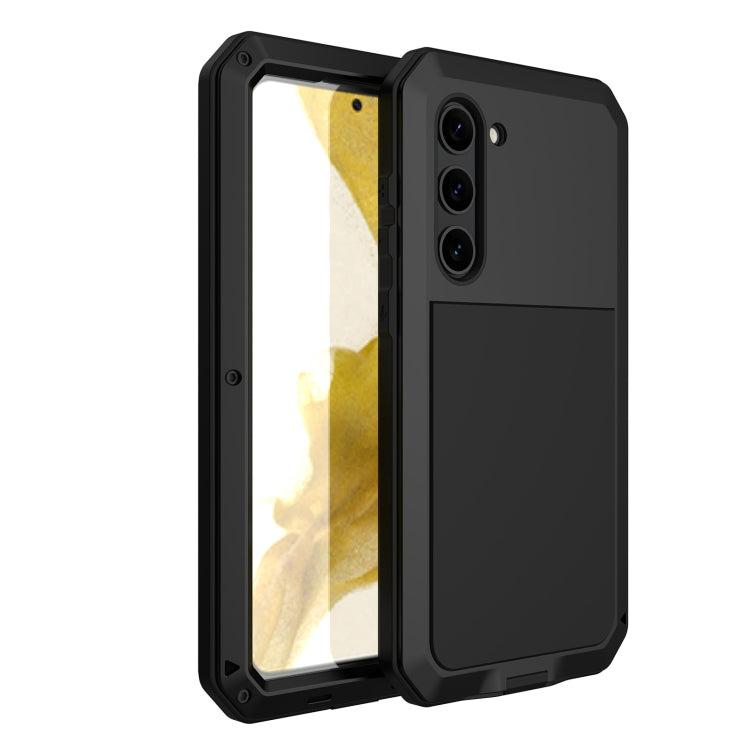
A waterproof case is only useful if you can still use the phone. Some designs include a clear window or transparent panel that keeps the screen visible. The camera lens is usually protected by a raised bezel rather than a full cover, so check that the lens is not obstructed.
Sound is the trade-off most buyers overlook. If audio matters to you, test the case before a trip.
Choosing Your Waterproof Case and Next Steps
Start by deciding how deep and how long you will realistically use the phone underwater, then match that to the rating and the seal design. Check the compatible model before ordering, because a case for one generation rarely fits the next. Test the seal at home, and record the result so you can compare it later.
If you are ready to compare the options, browse the waterproof range at Metanoia media and choose the case that matches your phone and your activities.
Frequently Asked Questions
Are any phone cases completely waterproof?
No case is completely waterproof in every condition. Products are sold as waterproof when they meet a stated depth and duration, such as an IP68 rating or a 15-metre depth figure. Those figures describe controlled conditions, and seals can weaken with wear, dirt on the gasket, or repeated opening. Treat any stated rating as a limit to stay within, check the seal before each use, and avoid long immersion or deep dives beyond what the case specifies.
What does an IP68 rating mean for a phone case?
IP68 is an ingress protection rating: the first digit covers solids such as dust, and the second covers water. The 8 means the case is suitable for continuous immersion beyond 1 metre, but the exact depth and time are set by the manufacturer and are not always stated. Check the stated depth and duration in any product listing before relying on it.
Can you use your phone's touchscreen through a waterproof case?
Some waterproof cases include a clear window that keeps the screen visible. Responsiveness can vary with the film thickness, moisture on the surface, and how firmly you press. Test the screen above water first, then in shallow water, before depending on it for navigation or photos.
How do you test a waterproof phone case before using it?
Start with a dry test: press the case shut, check the seal and gasket for dirt or damage, and confirm all buttons and ports work. Then run a short shallow-water test with the phone switched off or using a non-essential device, dry everything carefully, and check for moisture inside before any real use. Repeat the test periodically, since seals wear over time.
