

7 Durable Dog Accessories for Active Pets That Last

Last Updated: October 25, 2026
Quick Summary
Durable dog accessories for active pets are built from materials and construction methods that survive daily walks, mud, water and enthusiastic pulling without failing at the seams. Polypropylene webbing, solid metal hardware and double-thickness construction are the details that separate gear that lasts for years from gear that frays within weeks.
- Our Webbing Dog Harness costs £15.00 and comes in small, medium and large sizes.
- The Plastic Buckle Quick Release Webbing Collar costs £7.95 and is machine washable.
- Look for continuous spring-steel tunnel hoops and sleeved metal hurdle joints in agility kit.
- Thick-walled natural rubber with no glued joints lasts longest for power chewers.
- Measure neck circumference at the widest point and add two fingers of slack for a collar.
Table of Contents
- What Separates Durable Dog Accessories From Disposable Ones
- Choosing a Durable Dog Harness for Pulling and Long Walks
- Collars and a Strong Dog Lead: The Everyday Pair
- Dog Agility Equipment and Exercise Kit Worth Buying
- Dog Enrichment Toys That Hold Up to Heavy Chewing
- Fit, Sizing and Comfort Checks Before You Buy
- Washing, Repairing and Knowing When to Replace Gear
- Building Your Active Dog Kit at Metanoia Media
- Frequently Asked Questions
What Separates Durable Dog Accessories From Disposable Ones
Durable dog accessories for active pets are products built from materials and construction methods that survive daily walks, mud, water and enthusiastic pulling without failing at the seams. For the wider case, see why buy specialized dog accessories online.
Active dogs destroy gear through repetition, not abuse. A collar that rubs slightly on every walk will wear through stitching long before the fabric itself gives way. That is why material choice matters more than marketing claims.
Materials That Survive Daily Use
Polypropylene webbing sits at the centre of most genuinely durable dog gear. It resists rot, holds colour when wet and stays soft enough to avoid chafing. Double-thickness webbing adds load-bearing strength for dogs that pull.
Metal fixings matter too. A dee ring that bends under tension is a failure waiting to happen, so look for solid metal hardware rather than thin plated alternatives.
The Quick Comparison: Prices and Sizes
| Product | Price | Sizes | Best For |
|---|---|---|---|
| Webbing Dog Harness | £15.00 | Small, Medium, Large | Pulling, long walks |
| Cushion Web Dog Collar | £9.95 | Medium, Large, custom | Everyday comfort |
| Plastic Buckle Webbing Collar | £7.95 | Small, Medium, Large | Budget everyday wear |
| Check Chain Collar | £10.95 | Small, Medium, Large | Training sessions |
Choosing a Durable Dog Harness for Pulling and Long Walks
A durable dog harness should spread pulling force across the chest rather than the neck, and that single design decision separates good harnesses from bad ones.
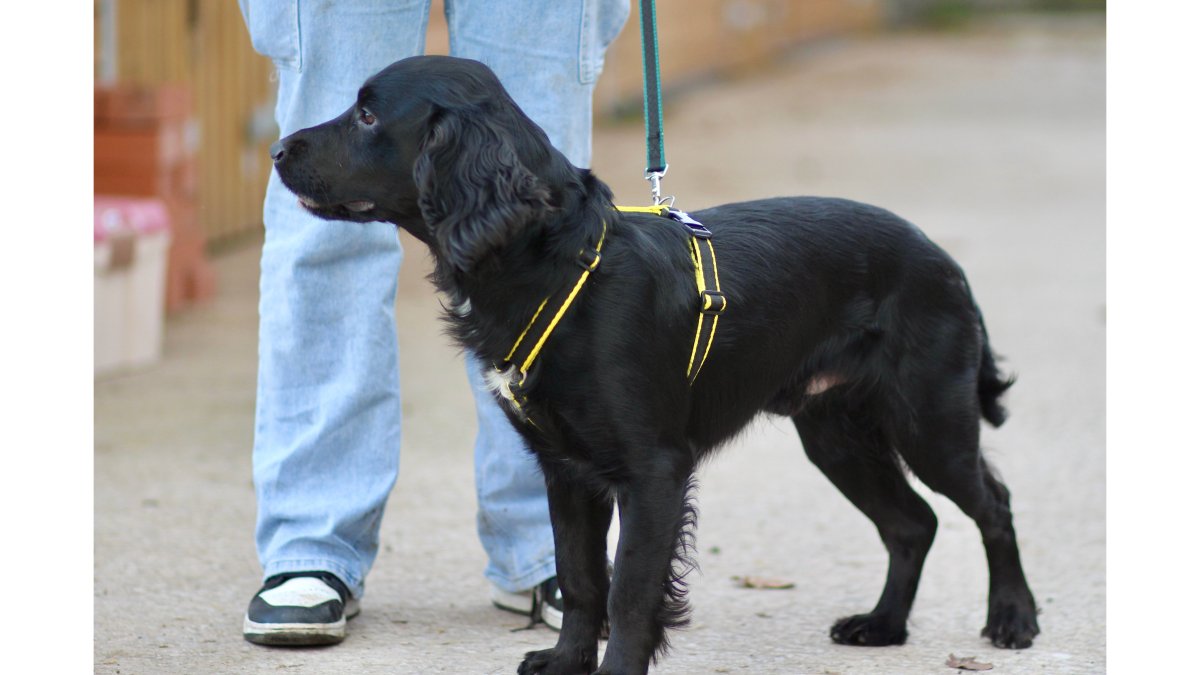
Double-thickness polypropylene webbing handles mud, salt water, heat and hedgerow without losing shape. Plastic sliders around the neck and body give a wide adjustment range, which matters because a harness that shifts will rub.

If you are ready to buy, you can view the webbing dog harness in 14 colours and three sizes.
Collars and a Strong Dog Lead: The Everyday Pair
A strong dog lead is only as reliable as the collar it clips to, so treat the pair as one purchase rather than two.
The Plastic Buckle Quick Release Webbing Collar costs £7.95 and suits stiff fingers or wriggly puppies thanks to its simple plastic buckle.
For dogs that pull hard on the neck, the Cushion Web Dog Collar at £9.95 adds padded comfort across a 25mm band. You can browse the cushion web dog collar if comfort is the priority.

The Check Chain Collar at £10.95 sits between the two, adding a running check chain for training work while keeping the quick release buckle.
Dog Agility Equipment and Exercise Kit Worth Buying
Dog agility equipment earns its place in your kit only if it survives outdoor storage and repeated use.
What to Look For in Each Obstacle
Tunnels. Look for a ripstop or coated polyester skin rather than a single-layer nylon, because a single layer abrades through on paving and gravel within a season.
Hurdles. Adjustable uprights with a metal sleeve joint outlast moulded plastic clips, which fatigue and crack in cold weather.
Weave poles. A base plate with a ground spike of at least 20 cm gives lateral stability.
Matching Equipment to the Dog
Exercise equipment should match your dog's joint mobility and fitness level. Puppies need lower jumps, keep hurdle height at or below elbow height, while adult dogs can handle full-height hurdles once their growth plates close. Build a short course with two or three obstacles first and add complexity as your dog's confidence grows.
| Dog profile | Suitable starting kit | Avoid |
|---|---|---|
| Puppy under 12 months | Flat tunnel, low hurdle (elbow height), ground-level weave poles | Full-height jumps, tight weave spacing |
| Adult small breed | Adjustable hurdle, short tunnel, three-pole weave set | Heavy rigid poles |
| Adult large breed | Reinforced tunnel with anchors, sleeved uprights, six-pole weave set | Lightweight moulded joints |
| Senior or joint-compromised dog | Flat tunnel, ground poles, scent games | Jumps, weave poles, tight turns |
Safety and Welfare Considerations
Agility carries real injury risk if equipment is unsuitable or the surface is wrong. Run on grass or a non-slip mat rather than concrete, warm up with a short walk before jumping, and stop a session at the first sign of lameness or reluctance. Never leave a dog unattended on equipment, and check tunnel seams and hurdle joints before every session, a torn seam or cracked cup is a snag hazard.
Agility work pairs naturally with obedience training. A training clicker and a dog whistle cost little and sharpen responses before you add speed.
Plastic Buckle Quick Release Webbing Dog Collar →
Dog Enrichment Toys That Hold Up to Heavy Chewing
Dog enrichment toys fail for one of two reasons: the material is too soft, or the design gives a determined chewer a seam to attack. Rubber toys with thick walls and no glued joints last longest. Scent detection games and puzzle feeders keep active minds busy without relying on fragile moving parts.
Material Comparison for Chewers
| Material | Chew resistance | Best use | Watch for |
|---|---|---|---|
| Natural rubber (thick-walled) | High | Power chewers, fetch, treat stuffing | Splitting at moulded seams |
| Thermoplastic rubber (TPR) | Medium | Moderate chewers, puzzle feeders | Punctures from canine teeth |
| Silicone | Low to medium | Treat dispensing, sensitive mouths | Tears at thin edges |
| Rope (cotton or hemp) | Medium | Tug and fetch | Unravelling strands, swallowing risk |
| Stuffed fabric | Low | Comfort, gentle play | Seam failure, stuffing ingestion |
Thickness matters more than the material name. A 5 mm rubber wall survives far more chewing than a 2 mm wall of the same compound, and a toy with a single moulded piece has no seam for a chewer to exploit.
Matching Toys to Chew Strength
Assess chew strength honestly before buying. A dog that destroys a standard rubber toy within a day is a power chewer and needs thick-walled natural rubber or a tough nylon alternative; a dog that nibbles gently can use softer TPR and silicone. Size the toy so it cannot be swallowed, too small is a choking hazard, too large is frustrating and gets abandoned.
Enrichment Beyond Chewing
Rotate toys rather than leaving everything out at once. A toy that disappears for a week comes back interesting, and rotation spreads wear across your collection instead of concentrating it on one favourite. Puzzle feeders and scent games exercise the mind without the wear that chewing imposes, which is useful for dogs that need enrichment but are hard on toys.
Inspection and Replacement
Check toys weekly: squeeze rubber toys to feel for splits, run a thumb along seams, and pull gently on rope ends. Replace any toy that has a puncture deep enough to trap a tooth, a seam that has started to separate, or a piece that can be pulled free. Cosmetic scuffing is fine; structural damage is not.
Fit, Sizing and Comfort Checks Before You Buy
Fit is where most dog accessory purchases go wrong, and the fix takes two minutes with a tape measure. Measure the neck circumference at the widest point, then add two fingers of slack for a collar. For harnesses, measure the chest girth behind the front legs.
Our size guides give approximate breed matches as a starting point, not a guarantee. A small terrier might need a medium if it has a thick neck. Always check the stated centimetre range against your measurement.
Comfort checks after fitting:
- Two fingers should slide under the collar or harness band
- The dog should walk, sit and turn without the gear shifting
- No redness or hair loss at contact points after a long walk
- Buckles should sit flat, not dig into the skin
Washing, Repairing and Knowing When to Replace Gear
Machine washing keeps webbing gear hygienic and extends its life, and all our collars and harnesses are machine washable.
Inspect gear monthly for frayed stitching, bent hardware and stretched webbing. Replace any lead or harness with a damaged load-bearing seam immediately. Cosmetic wear is fine; structural wear is not.
For a full routine, follow our guide on how to maintain dog leash durability, which walks through cleaning, inspection and storage step by step.
Building Your Active Dog Kit at Metanoia Media
Building a kit is about covering the essentials without buying duplicates, and the sensible order is harness, collar, lead, then enrichment. That core set handles everyday walks, training and exercise.
Our range focuses on functional pet gear built from materials that cope with real conditions.
Best for: owners who want practical, washable gear at clear prices. Skip if: you need specialist competition equipment beyond everyday training.
Frequently Asked Questions
What accessories does an active dog actually need?
An active dog needs a well-fitted harness for walks and pulling, a collar with a tag, a lead with solid fixings, and a couple of enrichment toys for downtime. Add agility kit only if you plan to train regularly. A webbing dog harness at £15.00, a quick release collar at £7.95 and a matching lead cover most daily walks, while a padded collar at £9.95 suits dogs that pull against their neck on longer routes.
What is the most durable material for dog accessories?
Polypropylene webbing is the practical choice for collars, harnesses and leads. It resists rot and moisture, holds its shape when wet, and copes with mud, salt water and hedgerows. Double-thickness webbing adds strength without much weight. Metal fixings last longer than plastic at high-stress points, which is why the padded collar uses metal fixings while the webbing harness relies on plastic sliders for adjustability and quick release buckles for speed.
How do I choose a harness for an active dog?
Measure the widest part of the chest and check the size guide before ordering. The webbing dog harness comes in 16mm for Jack Russells, 19mm for spaniels and collies, and 25mm for Labradors and retrievers. Look for a lead dee on the back between the shoulders, which spreads restraining force across the chest rather than the neck. Plastic sliders around the neck and body let you fine-tune the fit as your dog moves.
How can I tell if a dog lead is strong enough?
Check the stitching, the clip and the webbing thickness. A strong dog lead should have a secure metal or reinforced clip, no fraying at the join, and webbing that does not stretch when pulled. Match the lead width to your dog: 16mm for small terriers, 19mm for medium breeds and 25mm for large dogs. Replace any lead showing cracked webbing, a stiff clip or loose stitching, since these fail suddenly under load.
How often should I replace worn dog accessories?
Inspect collars and harnesses monthly and replace them when the webbing frays, the buckle cracks or the dee ring loosens. Machine washable webbing lasts longer if you wash it after muddy walks rather than letting grit grind into the fibres. Leads usually need replacing every one to two years with heavy daily use. Enrichment toys should be swapped out once they are chewed through or split, since broken pieces become a swallowing risk.
The challenge is simple: most gear fails because it was never built for the conditions your dog actually creates. Metanoia media stocks webbing harnesses, padded collars and matching leads designed to handle mud, water and daily pulling, with machine washable construction and clear size guides. Get started with Metanoia media and build a kit that keeps up with your dog.
